Fallen Tree Removal in Bucks County, PA
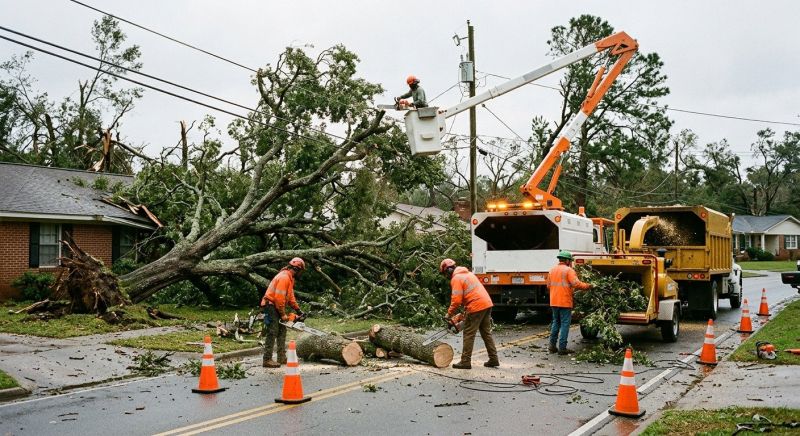
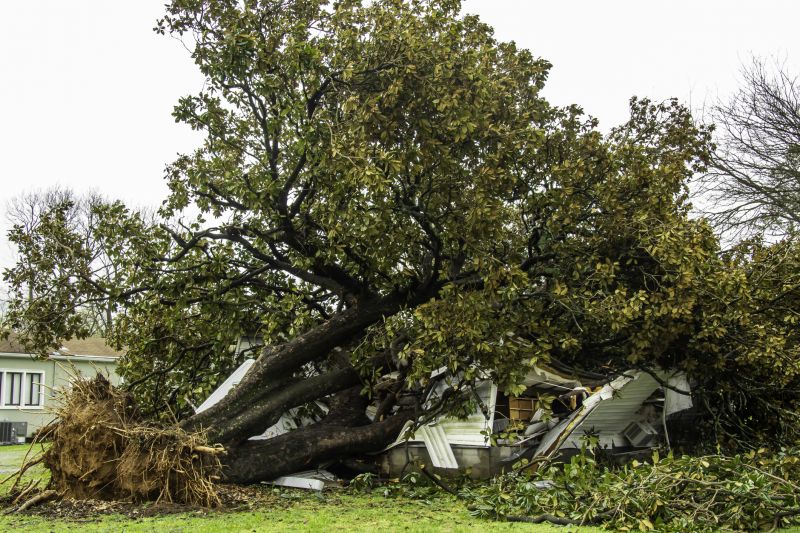
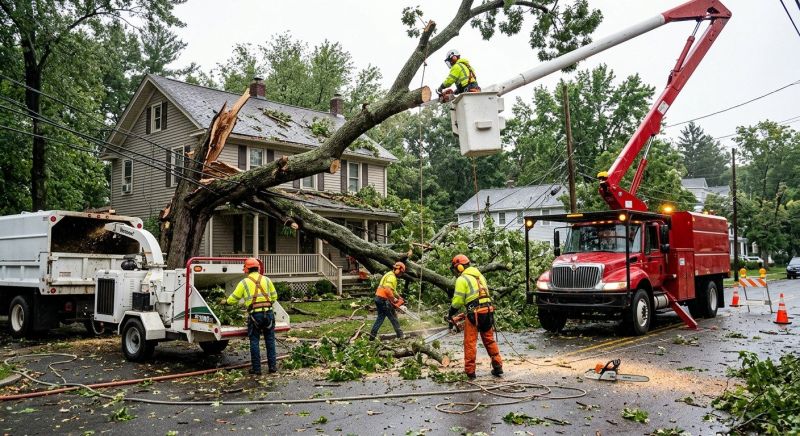
Fallen tree removal services involve the safe and efficient clearing of trees that have toppled, become hazardous, or are otherwise no longer viable on a property. These projects typically include removing damaged or dead trees after storms, storm damage, or due to disease, as well as clearing trees that pose a risk to structures, power lines, or other parts of the landscape. Property owners should consider factors such as the size and location of the fallen tree, potential obstruction to pathways or utilities, and any safety concerns before requesting removal services.
Homeowners often want to understand the scope of work involved, including whether the removal includes stump grinding or debris cleanup, and if there are any restrictions based on property layout or local regulations. It’s also helpful to assess access points for equipment and to identify any nearby structures or utilities that may influence the removal process. Proper planning ensures the project is completed safely and efficiently, minimizing disruption to the property.
Many property owners in Bucks County, PA look into Fallen Tree Removal for repairs, replacements, upgrades, and appearance-related improvements.
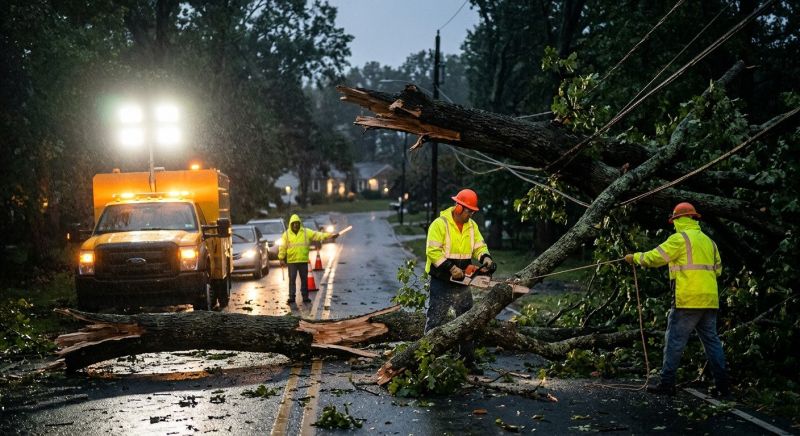
Emergency Tree Removal
Removing fallen or hazardous trees promptly to ensure safety and prevent property damage.
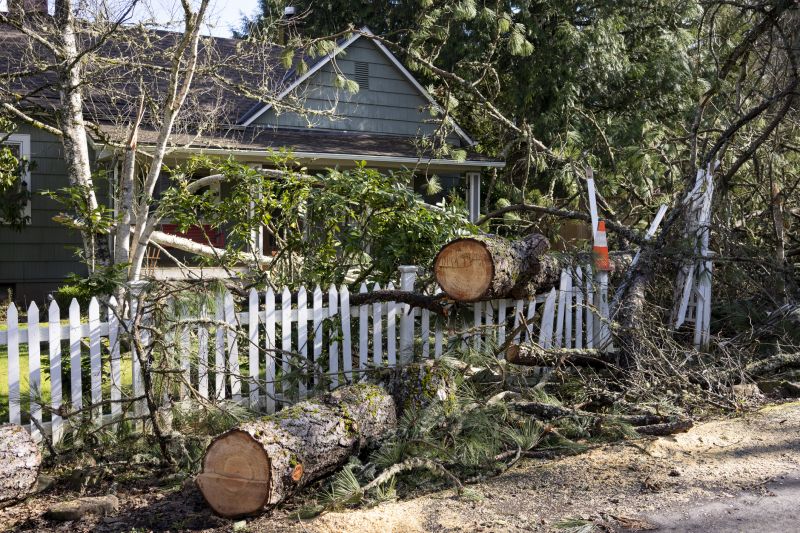
Storm Damage Cleanup
Clearing debris and fallen branches after storms to restore your outdoor space.
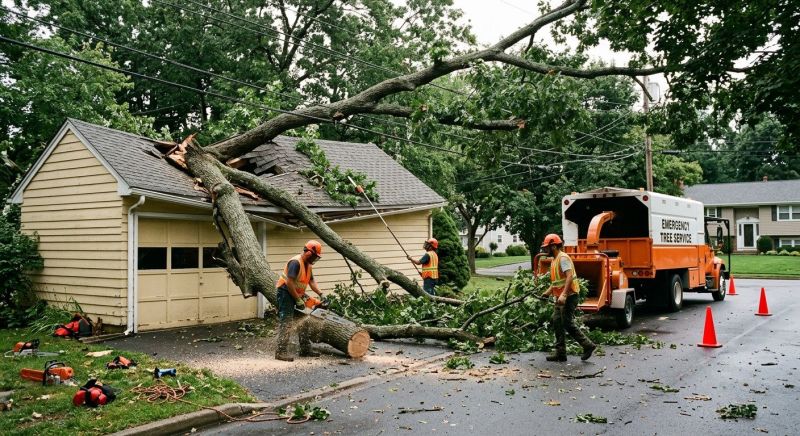
Property Maintenance
Maintaining trees and removing hazards to keep bucks county properties safe and attractive.
Fallen Tree Removal in Bucks County, PA
Fallen tree removal services involve the safe and efficient clearing of trees that have toppled, become hazardous, or are otherwise no longer viable on a property. These projects typically include removing damaged or dead trees after storms, storm damage, or due to disease, as well as clearing trees that pose a risk to structures, power lines, or other parts of the landscape. Property owners should consider factors such as the size and location of the fallen tree, potential obstruction to pathways or utilities, and any safety concerns before requesting removal services.
Homeowners often want to understand the scope of work involved, including whether the removal includes stump grinding or debris cleanup, and if there are any restrictions based on property layout or local regulations. It’s also helpful to assess access points for equipment and to identify any nearby structures or utilities that may influence the removal process. Proper planning ensures the project is completed safely and efficiently, minimizing disruption to the property.
Many property owners in Bucks County, PA look into Fallen Tree Removal for repairs, replacements, upgrades, and appearance-related improvements.
Common Fallen Tree Removal Jobs
Emergency Tree Removal - removes fallen or hazardous trees quickly to prevent property damage.
Storm Damage Cleanup - clears trees and debris caused by severe weather events.
Selective Tree Removal - removes specific trees to improve property safety and aesthetics.
Dead Tree Removal - eliminates trees that are dead or dying to prevent potential hazards.
Property Clearing - clears trees and brush to prepare land for development or landscaping.
Tree Crown Reduction - reduces the height and spread of trees to maintain safety and health.
Fallen Tree Removal Questions
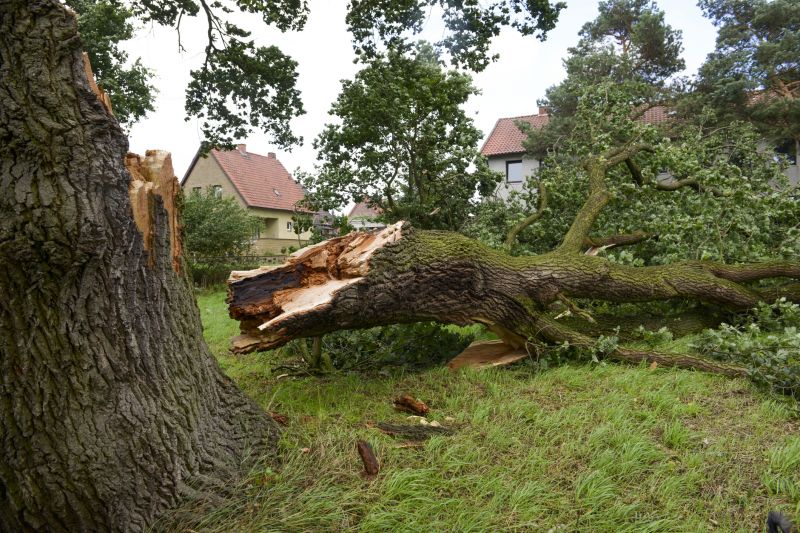
What are common reasons for fallen tree removal? Fallen trees may result from storms, decay, or root issues, posing safety and property risks.
Is it necessary to remove a leaning tree? Yes, leaning trees can indicate instability and should be evaluated to prevent potential damage or injury.
What should property owners do before tree removal? Clear the area of obstacles and ensure access for equipment to facilitate safe removal.
How can I tell if a tree needs removal? Signs include significant leaning, dead or broken branches, or visible decay, indicating the tree may be hazardous.
Request Fallen Tree Removal in Bucks County, PA
Use the quote form on this page to share the basics of your project and request more information for the type of work you need.